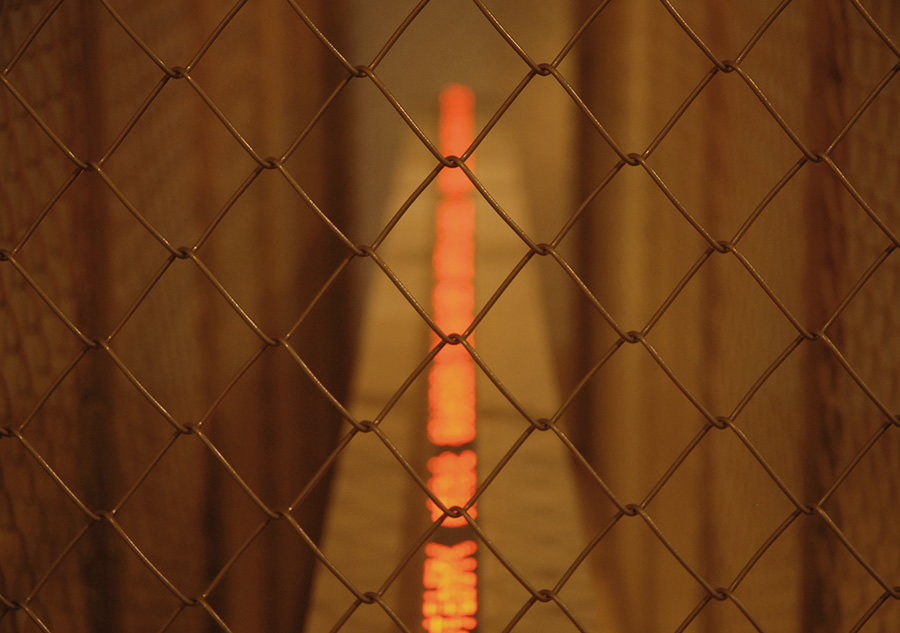
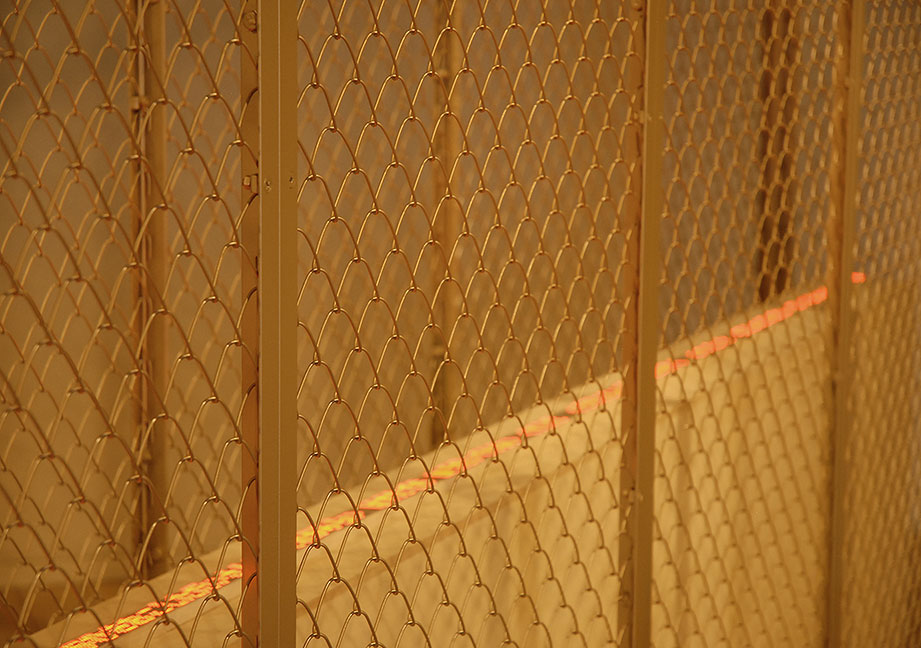
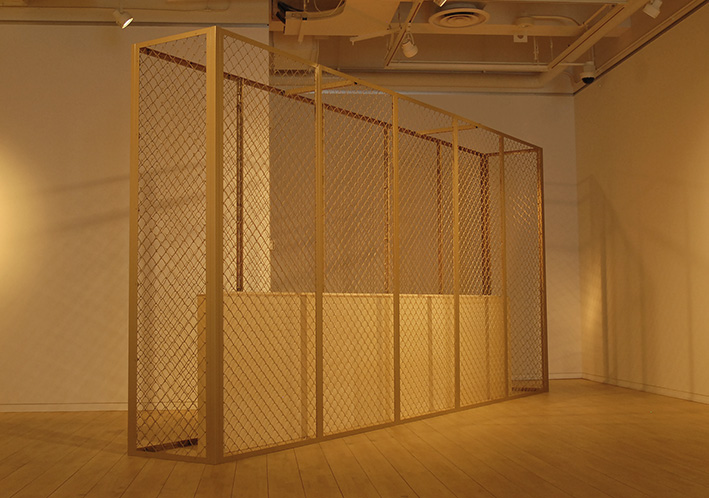
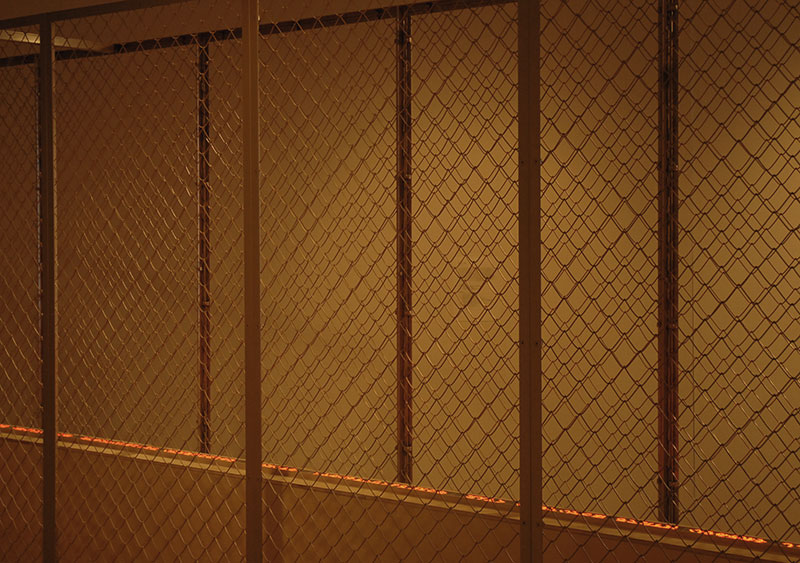
In Berlin, where I currently live, there was a time when the city was divided. West Berlin, a capitalist enclave, built a "free" society by being entirely encircled by a wall. This paradoxical "freedom"—could it not also exist today in the shadows of society, whether in modern Japan or in nations across the globe? The fences we see every day function to define territories of rights, draw boundaries, and repel the intrusion of others. Are the contents of these territories being protected, or are they being imprisoned? In today’s society, where our daily lives are recorded and optimized on the web, our thoughts are unconsciously swept away, and our actions are treated as mere components of the aggregate known as Big Data. While the endless chain of words evokes a vision of a limitless future managed within these territories, the fragility of the city always lies quietly by its side.

私がいま住むベルリンでは東西が分断されていた時代、資本主義である西ベルリンは周囲をぐるりと壁に囲われることで「自由」な社会を築いてた。その逆説的な「自由」は、現代の日本において、あるいは世界の国々においても社会の陰で存在し得るものではないだろうか。日常のなかで見慣れたフェンスは、権利としての領域を規定し、境界線を引き、他者の侵入を拒むものとして機能する。その領域の中身は守られているのか囚われているのか。Web上に日常が記録され最適化されていく現代社会では、無意識に思考は流され続け、私達の行為はビッグデータという統合体の一部としてみなされていく。延々とつながっていく言葉の連鎖が、領域の中で管理された限りない未来を想起させる一方で、その傍らにはいつも都市の儚さが静かに横たわっている。